
Plumbing Services
Water Line Repair & Replacement in Rittman & Akron, OH
*In Home Only
When your water line is leaking, losing pressure, or showing signs of age, it can affect every faucet, fixture, and appliance in your home. Schar Heating & Cooling provides water line repair and replacement for homeowners in Rittman and Akron, OH. Whether you’re dealing with a pinhole leak, a corroded section of pipe, or a failing main water line, we’ll find the problem, explain your options, and get it handled the right way.

⚠️ Signs You Have a Water Line Problem
Water line issues don’t always announce themselves with a dramatic burst. Many problems start small and get worse over time, quietly driving up your water bill or causing damage behind walls and under your foundation. Here’s what to watch for:
- An unexplained increase in your water bill
- Low or inconsistent water pressure throughout the house
- Discolored or rusty water coming from your taps
- Wet spots, soft areas, or pooling water in your yard with no clear source
- The sound of running water when no fixtures are in use
- Damp spots, water stains, or mold on walls, ceilings, or floors
- Cracks in your foundation or shifting in your landscaping
- Sediment or debris in your water supply
If you’re noticing one or more of these signs, it’s worth having your water lines inspected sooner rather than later. Small leaks don’t fix themselves—they get worse, and the water damage that comes with them can add up fast.
🧰 Our Water Line Repair Process
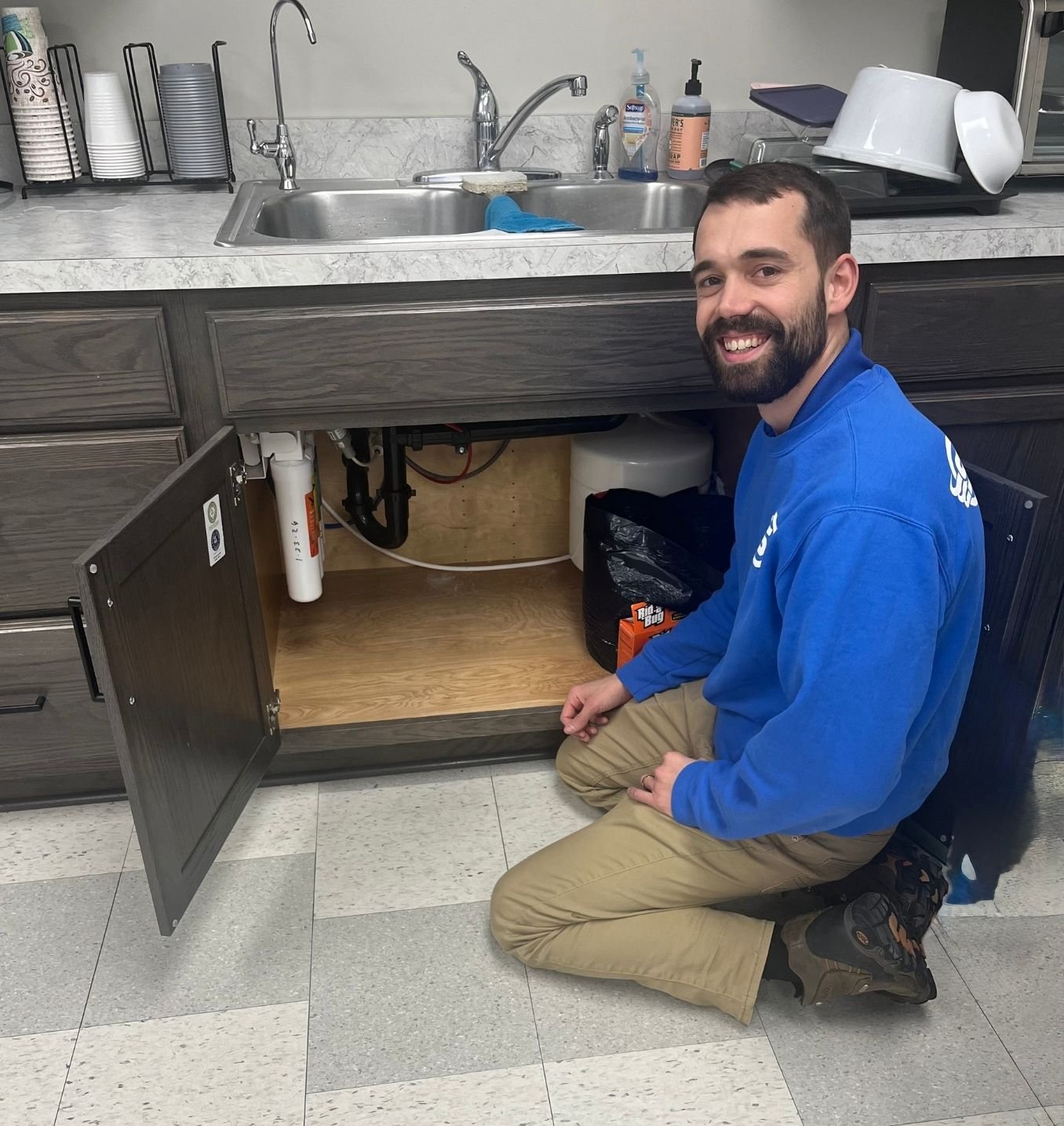
Not every water line issue requires tearing up your yard or ripping into walls. Many problems can be isolated and repaired without a major disruption to your home. Our technicians start by locating the source of the problem using pressure testing and visual inspection to determine exactly where the line is failing and what’s causing it.
If the issue is a localized leak at a joint, fitting, or short section of pipe, we can often repair or replace just that section and get your system back up and running the same day. We’ll shut off the water supply, cut out the damaged portion, and install new pipe with proper fittings to restore full pressure and flow.
For leaks behind walls or under slabs, we’ll work with you to find the least invasive approach possible. In some cases, rerouting a section of line is faster and less disruptive than breaking through concrete or finished walls to reach the damaged pipe.
Every repair includes a full pressure test once the work is complete to confirm there are no remaining leaks and that your system is holding steady.
🔄 When a Water Line Needs to Be Replaced
Sometimes a repair isn’t enough—especially when the pipe itself is the problem. Older homes in the Rittman and Akron area may still have galvanized steel, polybutylene, or lead water lines that have reached or passed the end of their useful life. These materials corrode from the inside out, restrict flow, and can contaminate your water supply over time.
If you’re dealing with recurring leaks, widespread corrosion, low pressure that doesn’t improve after repairs, or water quality issues tied to aging pipe, a full or partial water line replacement is the most reliable long-term fix.
Common reasons for water line replacement include:
- Galvanized, polybutylene, or lead piping that’s deteriorating
- Repeated leaks in the same line or multiple spots
- Chronic low water pressure that doesn’t respond to repairs
- Rusty or discolored water caused by corroding pipes
- Tree root intrusion that’s damaged or blocked the line
- Damage from ground shifting, freezing, or excavation
We handle the full job from start to finish—shutting off the water supply, removing the old line, installing new piping in the correct size and material, reconnecting everything, and pressure testing the entire system before we leave.
🔍 Water Line Materials: What's in Your Home and What We Install
The type of pipe in your home matters. Different materials have different lifespans, failure modes, and water quality implications. Part of our job during any water line repair or replacement is identifying what you currently have and recommending the best option going forward.
Copper has been the standard for decades and is known for its durability and long lifespan—typically 50 years or more. It resists corrosion, handles high pressure well, and doesn’t leach chemicals into your water. It’s a premium option, but it lasts.
PEX (cross-linked polyethylene) is a flexible plastic piping that’s become increasingly popular for residential plumbing. It’s resistant to freezing and scale buildup, easier and faster to install than copper, and costs less. PEX is a great option for whole-home repiping and new line installations.
Galvanized steel is common in older homes but has a limited lifespan. Over time, the zinc coating breaks down and the pipe corrodes from the inside, leading to rust-colored water, reduced flow, and eventually leaks. If your home still has galvanized water lines, replacement is usually just a matter of time.
Polybutylene was widely used in the 1970s through the 1990s but is known for becoming brittle and failing without warning. If your home has polybutylene water lines, we strongly recommend proactive replacement before a failure causes major water damage.
Our team will walk you through the pros and cons of each material based on your home’s setup, your budget, and what makes the most sense for the long run.
🛠️ Protecting Your Water Lines Year-Round
Once your water lines are in good shape—whether from a repair or a fresh installation—a little preventive care goes a long way toward keeping them that way.
Insulate exposed pipes in unheated areas. Pipes running through crawl spaces, garages, attics, or along exterior walls are vulnerable to freezing in Ohio winters. Foam insulation sleeves are inexpensive and can prevent a frozen or burst pipe that would cost far more to fix.
Know where your main shut-off valve is. If a pipe bursts or a major leak develops, shutting off the water quickly can be the difference between a small mess and serious damage. Make sure everyone in your household knows the location and how to turn it off.
Watch your water pressure. Pressure that’s too high puts unnecessary stress on your pipes, fittings, and appliances. If you notice banging pipes or fixtures that seem overly forceful, your pressure may be above the recommended range. A pressure regulator can bring it down to a safe level.
Be mindful of what’s planted near your water lines. Tree and shrub roots are one of the most common causes of underground water line damage. If you’re planning landscaping, know where your lines run and choose plantings that won’t send aggressive roots toward your pipes.
Don’t ignore small changes. A slight drop in water pressure, a faint stain on a ceiling, or a patch of grass that’s suddenly greener than the rest of your yard can all be early signs of a water line issue. Addressing it early almost always costs less than waiting.
❓ Water Line Repair & Replacement FAQ
How do I know if my water line is leaking?
The most common signs are an unexplained jump in your water bill, low water pressure, wet spots in your yard, or the sound of running water when nothing is turned on. If you notice any of these, it’s a good idea to have your lines inspected before the problem gets worse.
How long does a water line repair take?
Most localized repairs can be completed in a few hours. If the leak is behind a wall or under a slab, it may take longer depending on accessibility. Full line replacements typically take a day, sometimes two, depending on the length of the run and the complexity of the job.
Will you need to dig up my yard?
It depends on where the problem is. For main water line issues between the meter and your home, some excavation is usually necessary. We keep the disruption to a minimum and restore the area as best we can once the work is done.
What type of pipe do you recommend for replacement?
For most residential applications, we recommend either copper or PEX depending on the situation. Copper is the gold standard for durability, while PEX offers flexibility, freeze resistance, and a lower price point. We’ll help you choose the right material based on your home and budget.
My home has galvanized or polybutylene pipes—should I replace them now?
If they’re not causing problems yet, it’s not always an emergency—but it’s worth planning for. Both materials have known failure patterns, and replacing them proactively can save you from dealing with unexpected leaks, water damage, and the higher costs that come with emergency repairs.
Is a water line leak covered by homeowners insurance?
It depends on your policy and the cause of the leak. Sudden, accidental failures are often covered, but gradual leaks or damage from wear and aging pipes may not be. We recommend checking with your insurance provider so you know where you stand before a problem comes up.
Call Your Local Plumbing Experts Today
Our team of certified experts at Schar can take care of all your home Plumbing needs. Call our Rittman or Akron, OH, office today.