
Carbon Monoxide Detector Services
Carbon Monoxide Detector Installation & Replacement in Rittman
Professional install and testing of detectors that alert you before CO levels become dangerous.
Year-round, Schar Heating & Cooling provides trusted HVAC and indoor air quality solutions for homes and businesses across Rittman and the surrounding Ohio communities. Carbon monoxide (CO) is colorless and odorless—proper detection is the safest way to protect your family.

☠️ What Is Carbon Monoxide and How Is It Produced?
Carbon monoxide (CO) is a colorless, odorless, and tasteless gas that is extremely dangerous—even in small amounts. Often called the “silent killer,” carbon monoxide is produced when fuels like natural gas, propane, oil, wood, or charcoal do not burn completely. ⚠️
In homes, common sources of carbon monoxide include:
🔥 Gas furnaces and boilers
🚿 Water heaters (gas or propane)
🪵 Fireplaces (wood-burning or gas)
🍳 Gas stoves and ovens
⚡ Portable generators
🚗 Vehicles left running in attached garages
🧱 Blocked or cracked furnace flues and chimneys
Without proper ventilation, equipment maintenance, or CO detection, even small leaks can pose a serious risk. 🚨
❓ Why CO Protection Matters
A properly installed, regularly tested carbon monoxide detector can:
- Warn you early—before symptoms escalate
- Shut down equipment (when paired with compatible controls on your equipment)
- Reduce risk from common sources like furnaces, boilers, water heaters, fireplaces, and attached garages
- Offer peace of mind with interconnected alerts or smart notifications
We’ll help you choose reliable, ozone-free CO detectors that fit your home, HVAC system, and budget.
❓ How Carbon Monoxide Detectors Work
Whole-home and room-based CO detectors constantly sample the air and sound an alarm if CO concentrations rise. Detector options include:
🔌 Hard-wired, interconnected detectors with battery backup (all alarms go off together)
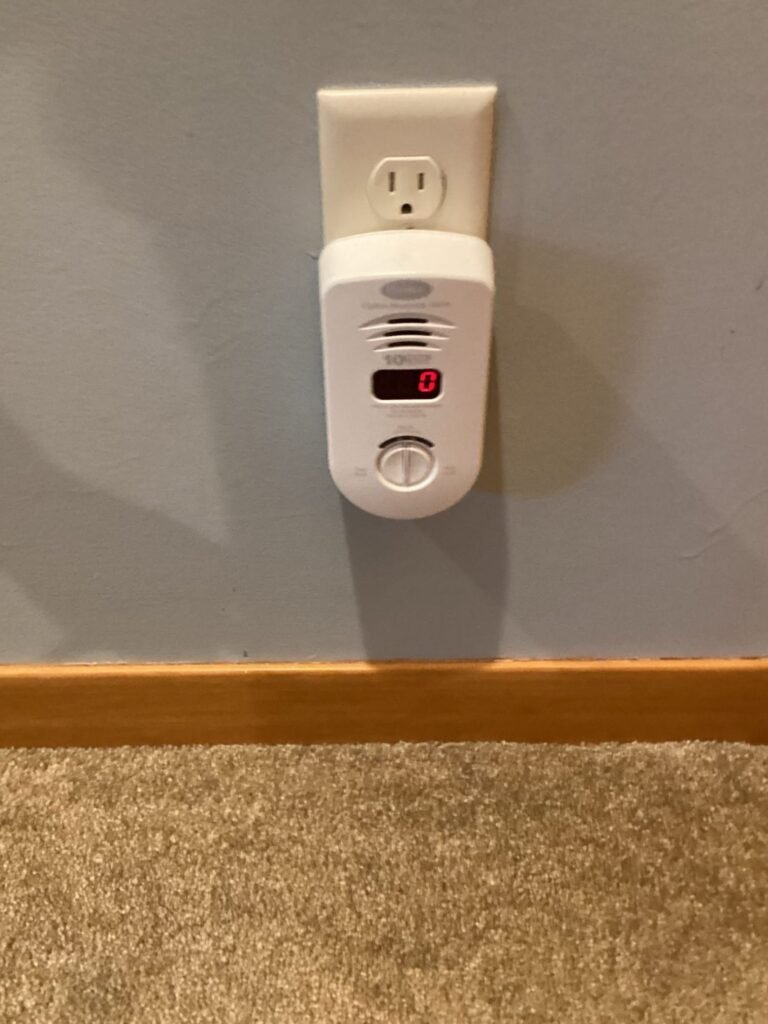
🔋 Plug-in detectors with battery backup for flexible installation
🚨 Combination smoke/CO detectors for dual protection
📲 Smart detectors that send alerts to your phone or smart home system
👶 Low-level CO monitors, which are ideal for infants, elderly individuals, and those with respiratory conditions
✅ CO detectors complement your HVAC filter or air purifier—but they do not replace them.
🔧Installation and Replacement
Our certified specialists make CO protection simple:
🏠 In-home assessment – We review fuel-burning appliances, garage placement, and electrical setup
📋 Right-fit plan – Options for hard-wired, plug-in, combo, and smart detectors, including interconnection
💬 Upfront estimate & timeline – No hidden costs or surprises
🔧 Professional installation – Correct placement, height, wiring, labeling, and testing
✅ Walk through – Learn how to test detectors, read indicators, and recognize end-of-life alerts
💳 Ask about financing options for whole-home safety packages and HVAC system integration.
CO Detector Placement Guide (General Best Practices)
We follow local code and manufacturer instructions to ensure proper placement. Typical detector locations include:
- Every level of the home
- Outside each bedroom or sleeping area (and sometimes inside the bedroom)
- Near fuel-burning appliances or mechanical rooms
- Near doors to attached garages (but never inside the garage)
❗Avoid placing detectors in bathrooms, next to vents, or behind curtains or doors. CO mixes evenly in air, so both wall and ceiling mounting may be appropriate.
🛠️ Maintenance
Stay protected with simple, routine care.
- Test monthly using the built-in test button
- Replace batteries every 6–12 months, or as needed
- Vacuum detector vents to remove dust
- Replace the unit at end-of-life—typically every 5–7 years depending on the model
❓ Frequently Asked Questions – Carbon Monoxide Detectors
What are the symptoms of carbon monoxide exposure?
Early symptoms mimic the flu: headaches, dizziness, nausea, confusion, and fatigue. High exposure levels can lead to unconsciousness or death. Seek fresh air and call 911 immediately if you suspect a leak.
How does carbon monoxide get into the home?
CO enters the home when combustion appliances malfunction or aren’t properly vented. Furnaces, water heaters, fireplaces, and cars in attached garages are common sources.
Are CO detectors required by law?
In most areas, yes—building codes require CO detectors in homes with fuel-burning appliances or attached garages, especially outside bedrooms. Requirements may vary by state or municipality.
Can my electric furnace produce carbon monoxide?
No. Electric appliances do not produce carbon monoxide. CO is only a risk in systems that burn fuel (gas, oil, propane, or wood).
How often should I replace my carbon monoxide detector?
Most detectors should be replaced every 5 to 7 years. Look for “end-of-life” alerts or test the device monthly to ensure it’s functioning properly.
Do I still need a CO detector if I have a whole-home air purifier?
Yes. CO detectors are essential regardless of filtration or purification systems. Air purifiers cannot detect or remove carbon monoxide.
Call Your Local HVAC Experts Today
Our team of certified experts at Schar Heating & Cooling can take care of all your home heating and cooling needs. Call our Rittman or Akron, OH, today.