
Plumbing Services
Water Heater Repair & Replacement in Rittman & Akron, OH
When your water heater stops producing hot water, takes forever to recover, or starts leaking onto the floor, you need a team that can diagnose the problem fast and get your household back to normal. Schar Heating & Cooling provides water heater repair and replacement for homeowners in Rittman and Akron, OH. Whether your unit needs a straightforward fix or it’s time for a full replacement, we’ll walk you through your options and handle the job right.

⚠️ Signs Your Water Heater Needs Repair or Replacement
Water heaters typically last between 8 and 12 years for tank models and up to 20 years for tankless units, but problems can show up well before the end of their expected lifespan. Some issues are repairable, while others mean it’s more cost-effective to replace the unit entirely. If you’re noticing any of the following, give us a call so we can take a look:
- No hot water or water that’s only lukewarm
- Hot water runs out much faster than it used to
- Rumbling, popping, or banging noises coming from the tank
- Rusty or discolored water from your hot water taps
- Visible leaking or pooling water around the base of the unit
- Pilot light that keeps going out (gas units)
- A rotten egg smell near the water heater
- The unit is more than 10 years old and requiring frequent repairs
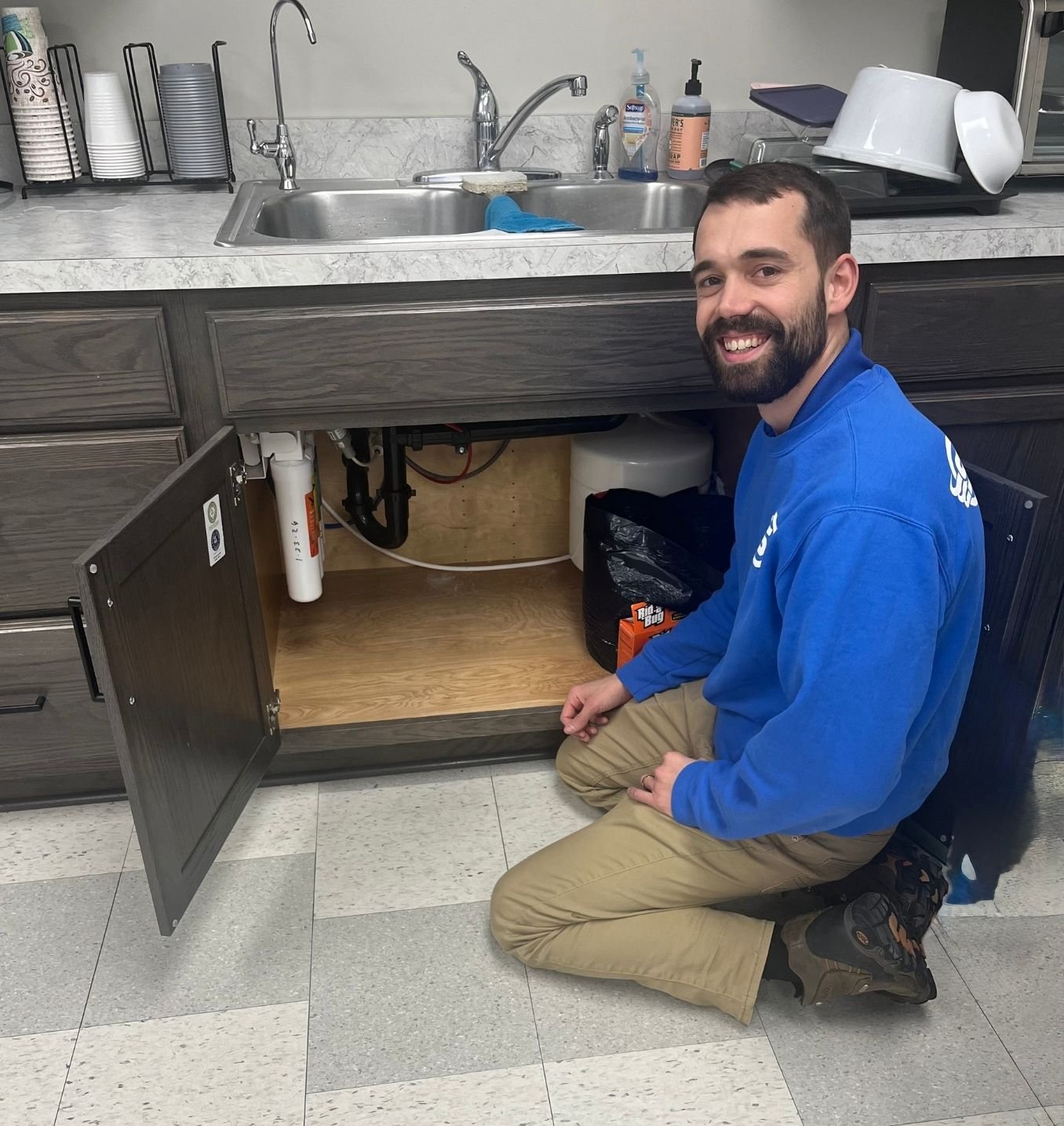
🧰 Our Water Heater Repair Process
Not every water heater issue means you need a brand-new unit. Many common problems—like a faulty thermostat, a worn-out heating element, or a bad pressure relief valve—can be repaired at a fraction of the cost of replacement. Our technicians start with a thorough inspection to determine exactly what’s going on before recommending any work.
We check the thermostat settings, inspect the anode rod for corrosion, test the heating elements or burner assembly, and look for signs of sediment buildup or tank deterioration. For gas units, we also inspect the gas valve, pilot assembly, and venting to make sure everything is operating safely. If a repair makes sense financially and the tank is still in decent shape, we’ll fix the issue and have your hot water restored as quickly as possible. If the cost of repair approaches the value of the unit or the tank itself is compromised, we’ll let you know upfront—no pressure, just honest advice.
Common repairs we handle include:
- Thermostat and heating element replacement (electric units)
- Gas valve and thermocouple repair (gas units)
- Anode rod replacement to prevent tank corrosion
- Pressure relief valve (T&P valve) replacement
- Sediment flush and tank cleaning
- Dip tube replacement
- Leak repair at fittings and connections
🔄 When Replacement Is the Better Option
There are times when repairing a water heater just doesn’t make financial sense. If the tank is leaking from the bottom, the unit is over 10–12 years old and breaking down regularly, or the cost of parts and labor is approaching half the price of a new unit, replacement is usually the smarter move.
Replacing an aging water heater also gives you the opportunity to upgrade to a more efficient model that better fits your household’s hot water demand. Newer units heat faster, hold more water, and use less energy—which can translate to real savings on your monthly utility bill.
Every replacement includes:
- Full assessment of your current setup and hot water needs
- Recommendation on the right unit type, size, and fuel source
- Safe disconnection and removal of your old water heater
- Professional installation with all necessary plumbing and gas or electrical connections
- Leak testing, temperature verification, and safe operation check
🔍 Tank vs. Tankless: Choosing the Right Water Heater
One of the biggest decisions during a water heater replacement is whether to stick with a traditional tank unit or move to a tankless model. Both have clear advantages, and the best choice depends on your household size, hot water usage patterns, and budget.
Tank water heaters store a set amount of hot water—typically 40 to 50 gallons—so it’s ready when you need it. They’re the more affordable option upfront and work well for most households. The tradeoff is that once the stored water is used, you’ll need to wait for the tank to reheat before you have a full supply again.
Tankless water heaters heat water on demand as it flows through the unit, which means you never run out of hot water. They’re more energy-efficient since they’re not keeping a full tank heated around the clock, and they take up significantly less space. The upfront cost is higher, but many homeowners see long-term savings on energy bills and benefit from a unit that can last up to 20 years with proper maintenance.
Our team will help you weigh the pros and cons based on your specific situation. We install both tank and tankless models from trusted brands and can walk you through the differences in cost, efficiency, and performance so you feel confident in your decision.
🛠️ Keeping Your Water Heater Running Longer
Whether you’ve just had a repair or a brand-new installation, regular maintenance is the best way to get the most life out of your water heater and avoid unexpected breakdowns. A few simple steps go a long way:
Flush the tank once a year. Sediment builds up at the bottom of the tank over time and acts as a barrier between the burner or heating element and the water. This forces the unit to work harder, reduces efficiency, and shortens its lifespan. If you’re hearing rumbling or popping sounds, sediment is usually the cause.
Check the anode rod every two to three years. The anode rod—sometimes called the sacrificial rod—is designed to corrode in place of the tank itself. Replacing it when it’s worn down helps prevent tank corrosion and can add years to the life of your water heater.
Set your thermostat to 120°F. This is the recommended sweet spot—hot enough for comfortable showers and effective cleaning, but not so high that it wastes energy or creates a scalding risk. If your unit is set higher, turning it down is an easy way to save on your energy bill.
Test the T&P valve annually. The temperature and pressure relief valve is a critical safety component that releases pressure if the tank overheats or builds too much pressure. If it’s not working properly, it can create a dangerous situation—our team can check it during a routine maintenance visit.
❓ Water Heater Repair & Replacement FAQ
How do I know if my water heater needs to be repaired or replaced?
It depends on the age of the unit, the type of problem, and the cost of repair. If the tank itself is leaking, the unit is over 10 years old, or you’re spending more on repairs each year than a new unit would cost, replacement is usually the better call. For isolated issues like a bad thermostat or heating element, a repair is often all you need.
How long does a water heater replacement take?
A standard tank water heater replacement typically takes two to three hours, including draining the old unit, disconnecting it, installing the new one, and testing everything. Tankless installations can take longer—usually half a day—since they may require changes to your gas line, venting, or electrical setup.
What size water heater do I need?
For most households with two to three people, a 40-gallon tank works well. Families of four or more generally do better with a 50-gallon or larger tank. If you’re considering tankless, sizing is based on flow rate and temperature rise rather than gallons—our team will help you determine the right capacity for your home.
My water heater is making noise—is that a problem?
Rumbling, popping, or crackling sounds usually mean there’s sediment buildup at the bottom of the tank. It’s not an emergency, but it should be addressed. A professional flush can often resolve the noise and improve efficiency. If the sounds are more like banging or knocking, that could point to a more serious issue worth having inspected.
Should I switch from a tank to a tankless water heater?
It depends on your priorities. Tankless units are more efficient and provide endless hot water, but they cost more upfront and may require modifications to your gas line or electrical panel. If your household frequently runs out of hot water or you want to reduce energy costs over the long run, tankless can be a great investment. We’ll help you decide based on your needs and budget.
Is a leaking water heater dangerous?
A small leak at a fitting might not be an emergency, but it shouldn’t be ignored—it can lead to water damage and mold over time. A leak from the bottom of the tank itself means the internal lining has failed and the unit needs to be replaced. If you see water pooling around your water heater, call us to have it checked out sooner rather than later.
Call Your Local Plumbing Experts Today
Our team of certified experts at Schar can take care of all your home Plumbing needs. Call our Rittman or Akron, OH, office today.